


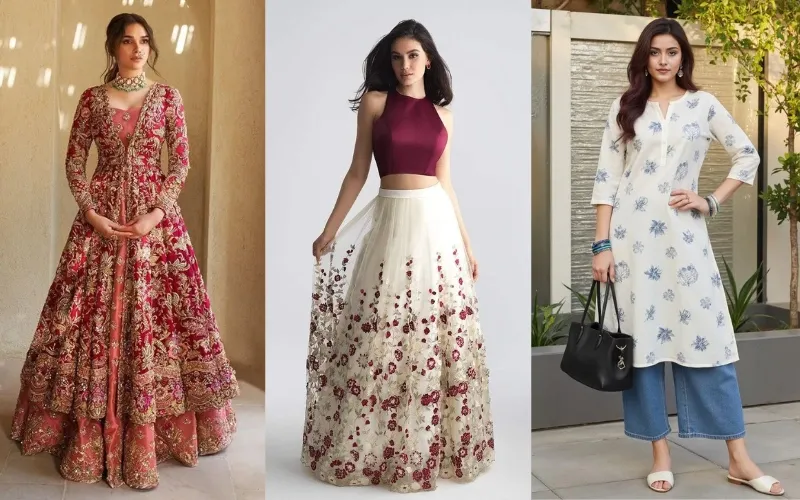
Festive outfits can look much better when comfort is considered from the beginning. abestoutfit.com gives readers another place to explore festive clothing ideas, styling choices, and practical outfit combinations. Celebrations can involve several hours of standing, sitting, walking, eating, meeting relatives, taking photographs, and moving between different areas. Clothing therefore needs to handle more than just a short appearance in front of a mirror. Fabric, footwear, layers, accessories, weather, and event timing can all affect the experience. People also have different preferences about how traditional, modern, colorful, or simple their clothing should feel. A useful outfit leaves enough room for personal style without becoming difficult to wear during the actual celebration.
Match Clothes With Events
Different celebrations can create very different clothing expectations, even when they happen during the same festive season. A daytime family lunch may suit lighter clothing, while an evening ceremony can allow richer colors and additional layers. Weddings may involve more formal garments than casual gatherings with friends or relatives. Religious events can also have specific clothing expectations that should be understood before choosing an outfit. Looking at the invitation, venue, timing, and general atmosphere can provide useful clues. This does not mean following strict fashion rules for every occasion. It simply helps people avoid choosing clothing that feels unsuitable for the setting or unnecessarily uncomfortable during a long event.
Use Layers For Flexibility
Layering can make festive clothing more practical when temperatures change during the day. A light jacket, shawl, scarf, shrug, or decorative outer layer can provide additional warmth during cooler evenings. Layers can also change the appearance of an outfit without requiring a completely different base garment. However, adding too many pieces can make clothing heavy and difficult to manage. People should consider how each layer works with the fabric, color, and shape of the main outfit. Outdoor celebrations may require more flexibility than indoor events because weather conditions can change unexpectedly. A simple additional layer kept nearby can sometimes make the difference between feeling comfortable and spending the evening adjusting clothing.
Choose Shoes Before Accessories
Footwear is easy to overlook when planning festive clothing, although uncomfortable shoes can affect the entire event. Weddings and family celebrations often involve standing, walking, greeting guests, and moving between different rooms or outdoor areas. Shoes that look suitable in photographs may become uncomfortable after several hours. People should consider the venue surface, expected walking distance, and event duration before choosing footwear. New shoes can also be tested beforehand so problems appear before the celebration rather than during it. Color coordination still matters, but practical comfort should remain part of the decision. An outfit becomes easier to enjoy when the person wearing it can move naturally without constantly thinking about their feet.
Balance Accessories Carefully
Accessories can change a simple festive outfit without requiring major changes to the main clothing. Earrings, necklaces, bracelets, watches, scarves, bags, belts, and hair accessories can all contribute to the final appearance. However, using many large accessories together can make the overall combination feel crowded. A heavily embroidered outfit may already contain enough visual detail for simpler accessories to work better. Plain clothing can provide more space for noticeable jewelry or decorative pieces. Matching every accessory exactly is also unnecessary. Choosing one or two connecting colors or materials can create enough coordination. Accessories should also remain comfortable because heavy jewelry or difficult bags can become irritating during long celebrations.
Consider Weather Conditions
Weather can change how suitable a festive outfit feels, particularly when celebrations take place outdoors. Heat can make heavy fabrics and multiple layers uncomfortable, while cooler evenings may require additional coverage. Wind can also affect long scarves, loose garments, and lightweight decorative pieces. Checking the expected conditions before leaving home gives people enough time to make practical adjustments. Clothing does not need to become completely different because of weather. A lighter fabric, extra layer, different footwear, or suitable bag may solve the problem. Thinking about conditions beforehand can reduce the chance of spending several hours feeling uncomfortable simply because the outfit looked appropriate indoors.
Coordinate Without Matching
Family members can create a connected festive appearance without wearing identical colors or clothing styles. Related shades, similar fabrics, or small shared accessory details can create visual connection while allowing everyone to choose comfortable garments. This can work particularly well for family photographs where several people want their clothing to look coordinated. Children may need more practical outfits because they usually move around more during celebrations. Adults can choose their own styles while still using a common color family or decorative detail. Exact matching can sometimes make clothing choices unnecessarily difficult. Coordination gives families a more flexible way to look connected without removing individual preferences.
Prepare Everything Earlier
Last-minute preparation often creates small problems that could have been solved easily several days earlier. Clothing may need ironing, minor tailoring, cleaning, or another accessory before it becomes ready to wear. People should try the complete outfit together rather than checking every piece separately. Sitting, walking, eating, and raising the arms can reveal issues involving tight areas, long hems, uncomfortable sleeves, or difficult fastenings. Shoes should also be tested with the actual clothing because proportions can change how the complete outfit feels. Preparing early provides enough time for adjustments. It also reduces unnecessary decisions on the day of the celebration when many other things may already require attention.
Reuse Favorite Festive Pieces
A favorite festive garment does not need to disappear after one celebration. Changing accessories, layers, footwear, or styling can make the same main piece look noticeably different during another event. A plain kurta may work with different trousers and scarves, while a festive skirt can be combined with another top or jacket. Photographing successful combinations can help people remember which pieces work together. Reusing clothing also makes the wardrobe more practical because every garment does not need to serve only one specific event. This approach can reduce unnecessary shopping while still allowing people to create fresh-looking combinations throughout the festive season.
Check Clothing Maintenance
Festive clothing may include delicate fabrics, embroidery, decorative elements, or special finishes that require careful handling. Washing instructions should be checked before cleaning because some garments may need gentler methods or professional care. Storing clothing while it is still damp can create avoidable problems, particularly when garments remain packed for several months. Accessories should also be stored separately when they could scratch or catch on delicate fabric. Before another celebration, people can check whether stored clothing still fits properly and whether any small repairs are required. Regular maintenance makes festive wardrobes easier to reuse and reduces last-minute surprises before important events.
Keep Personal Style Visible
Festive clothing should still feel connected to the person wearing it instead of looking like an outfit chosen only because someone else recommended it. Some people prefer simple traditional garments, while others enjoy modern combinations with stronger colors and decorative accessories. Both approaches can work when the clothing suits the occasion and remains comfortable. Personal style can develop through repeated combinations that feel natural rather than through constantly following new trends. abestoutfit.com can provide additional festive outfit information for readers exploring practical styling ideas and clothing combinations. The most useful festive wardrobe is usually one that allows people to dress appropriately while still feeling comfortable and recognizable in their own clothing choices.
Conclusion
Festive outfit planning becomes easier when clothing choices consider the event, weather, movement, footwear, accessories, and personal comfort together. People can create more variety by reusing useful garments with different layers and styling details. Preparing outfits early also gives enough time to solve fitting, cleaning, or comfort problems before leaving home. Family members can coordinate without wearing identical clothing, while personal style can remain part of the overall appearance. abestoutfit.com can offer additional inspiration for readers exploring festive outfits and practical clothing combinations. Good festive dressing does not require complicated planning when the wardrobe is flexible, comfortable, and prepared for real celebrations.
Read also :-