


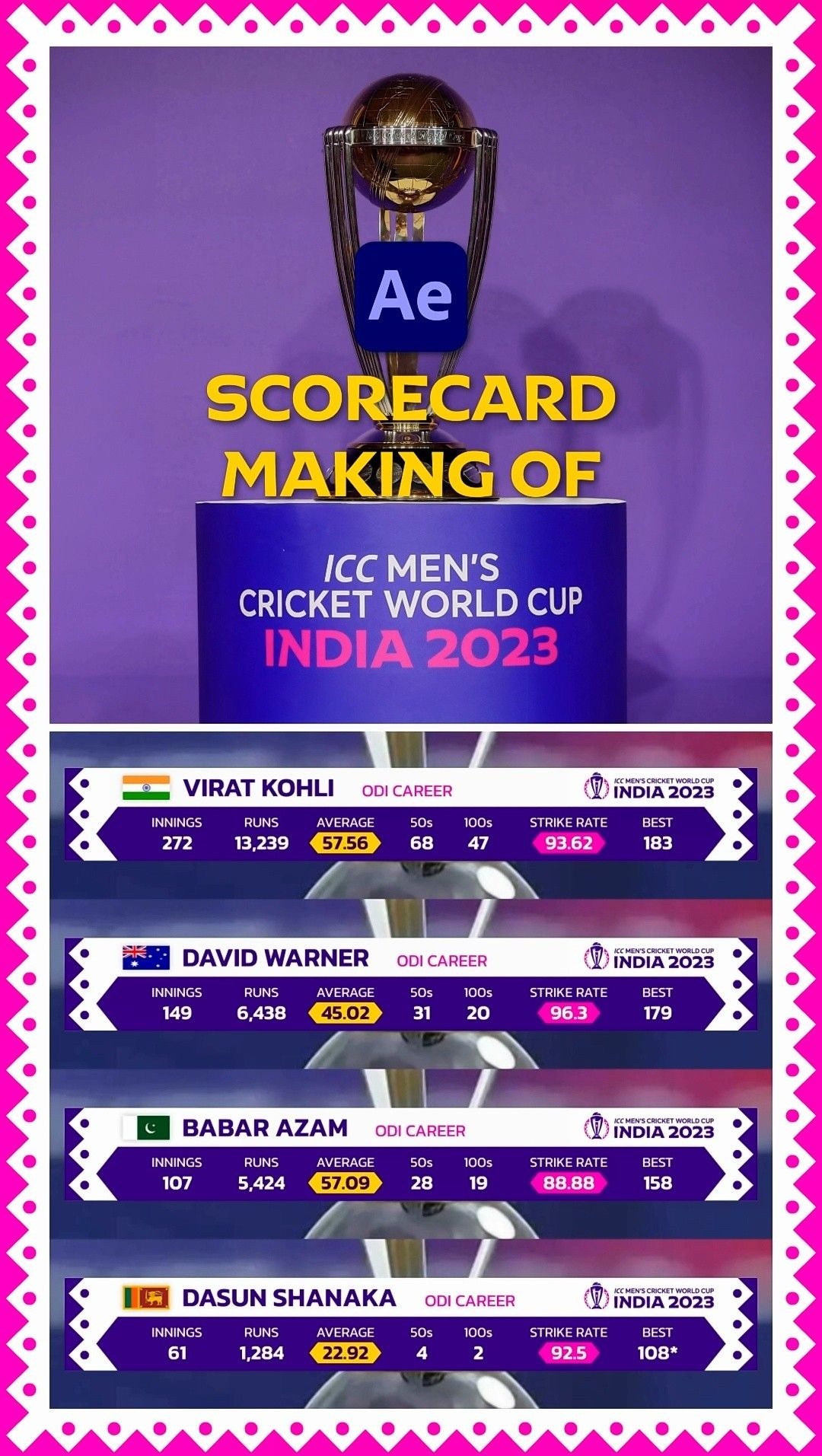
Cricket scorecards can reveal plenty of information about a match, even when someone misses the live broadcast. cricteamscores.com offers readers a place to explore cricket scores, team information, player statistics, and match updates. A completed scorecard is more than a record of runs and wickets because it also preserves important details from the game. Readers can understand scoring patterns, changes in momentum, individual contributions, and the final result by examining different sections together. Some details may look confusing initially, especially when abbreviations and unfamiliar figures appear together. Learning how these sections work makes following cricket easier without needing advanced knowledge of the sport.
Start With The Match Summary
The match summary provides a convenient starting point before examining individual player performances. It generally includes the competing teams, innings totals, wickets lost, overs completed, and final result. In limited overs cricket, readers can usually identify the winning team by comparing the completed totals with the target. Test matches require additional attention because several innings may contribute to the final result. A match can finish through a successful chase, an innings victory, a draw, or another result allowed by the playing conditions. Reading the summary first helps establish the basic situation before moving into individual batting and bowling details.
Follow The Innings Sequence
The order of innings matters because cricket matches develop through different stages. In a limited overs match, one team usually bats first before the other attempts to chase the target. Test cricket follows a different structure, with teams potentially batting twice during the match. Scorecards arrange these innings separately, allowing readers to see how each side performed during its opportunities. The sequence also helps explain why one team might have a larger combined total without necessarily winning. Understanding which innings came first and how many were completed provides the foundation for interpreting the final result correctly.
Notice Changes In Scoring Pace
Scoring pace can explain why an innings produced a particular total despite having several different periods of play. A team might begin cautiously before increasing its scoring during the middle overs. Another side could score quickly early but slow down after losing important batters. Some scorecards provide over summaries, individual over runs, or other details showing how scoring changed throughout the innings. These figures become more meaningful when considered alongside wickets and the number of overs remaining. A high total does not always indicate consistent scoring because one strong period may account for a large share of the runs.
Understand Required Run Rates
Required run rate becomes important whenever a team is chasing a target in limited overs cricket. It describes the scoring pace needed to reach the target within the remaining overs. The calculation depends on the runs still required and the overs available to complete the innings. A chase can become more demanding when wickets fall or the required scoring rate increases sharply. However, the same rate may feel manageable when established batters remain at the crease. Readers should consider wickets in hand, remaining deliveries, and available batting resources instead of judging a chase through one number alone.
Read Target And Result Details
Target information explains how many runs a team needs to score to achieve the required result. In an ordinary limited overs chase, the target generally follows from the first innings total and applicable playing conditions. Rain interruptions or other match circumstances can sometimes change the target through official calculations. Scorecards may display revised targets, required runs, remaining overs, or the eventual winning margin. These details matter because the original total may no longer represent the actual requirement after a match interruption. Checking the final target and result together helps prevent confusion when the match situation changes during play.
Recognize Important Abbreviations
Cricket scorecards often use short forms to display information without making the page unnecessarily crowded. Common abbreviations include R for runs, B for balls faced, M for maidens, W for wickets, and O for overs. Some platforms use different labels or arrangements, so readers should check the headings provided with the scorecard. Extras and dismissal descriptions can also contain shortened terms that may not be immediately familiar. Understanding the basic abbreviations makes it easier to compare player performances without repeatedly searching for their meanings. Once these terms become familiar, the scorecard usually becomes much easier to scan.
Check Match Conditions Carefully
Match conditions can influence how scorecard figures should be interpreted during a particular game. Rain interruptions, reduced overs, changes in playing conditions, or abandoned innings can affect the meaning of totals and scoring rates. A team scoring a certain number of runs in a shortened innings faces different requirements from a team playing the full scheduled overs. Test matches can also involve declarations and follow on situations that change the order of play. Readers should check available match notes when a result seems unusual. These details provide context that ordinary batting and bowling columns may not explain independently.
Compare Team Contributions Fairly
Team totals are built through several contributions, and individual figures should be considered within their circumstances. One batter might score quickly during a short innings, while another spends much longer protecting wickets and supporting a partnership. Bowlers also face different challenges depending on pitch conditions, match format, and available fielding support. Comparing players only through their highest individual numbers can overlook important differences in responsibility. A useful review considers runs, deliveries faced, wickets, overs, partnerships, and the situation when each contribution occurred. This broader approach helps readers understand how different performances supported the team’s overall effort.
Use Live And Final Cards
Live scorecards and completed scorecards serve slightly different purposes when following cricket matches. A live card changes as deliveries are bowled, wickets fall, and scoring events are recorded. It can help viewers understand the current situation while the match remains underway. A final scorecard contains the completed innings and confirmed result, making it more suitable for reviewing the entire game afterward. Some live figures may also change when official scoring corrections are made. Readers should therefore check whether a match is still in progress before treating displayed statistics as final. This small distinction can prevent misunderstandings during close games.
Conclusion
Cricket scorecards become easier to follow when readers begin with the match summary and then examine innings order, scoring pace, targets, abbreviations, and match conditions. These details explain why totals change, how teams approach different situations, and what individual performances actually contributed. Understanding the context behind each number also makes comparisons between matches more useful. cricteamscores.com can help readers explore cricket scorecards, team information, and match details while following the sport more comfortably. With regular practice, even complicated scorecards can become straightforward records of everything that happened during a cricket match.
Read also :-
new zealand national cricket team vs australian men’s cricket team match scorecard