


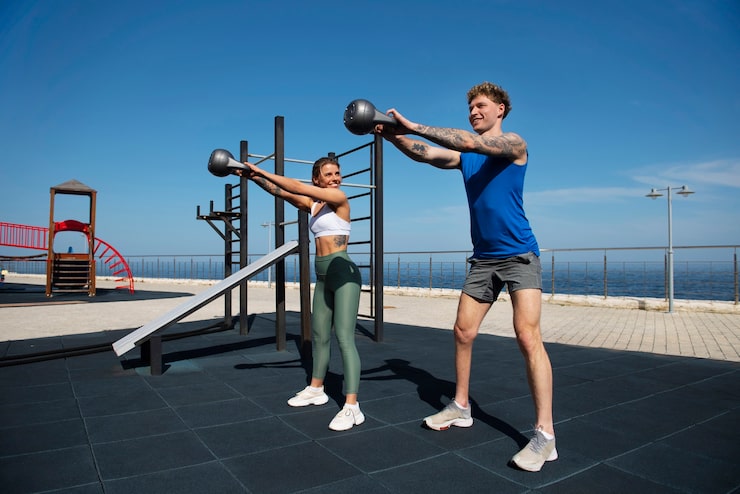
Sports Strength Training is essential for athletes seeking to maximize performance, build muscle, and prevent injuries. Beyond aesthetics, strength training enhances power, endurance, and agility, all of which are critical for excelling in competitive sports.
Consider a young soccer player preparing for a national tournament. Traditional practice may improve skill, but without targeted strength training, they risk fatigue or injury during matches. Implementing a Sports Strength Training routine ensures muscles are conditioned, joints are stable, and the body can handle high-intensity activity.
Why Strength Training Matters for Athletes
Strength training isn’t just about lifting heavy weights; it’s about improving functional performance. By targeting specific muscle groups, athletes can enhance movement efficiency, balance, and explosive power, crucial for almost every sport.
For instance, a sprinter benefits from lower-body strength, which boosts stride length and speed. Simultaneously, core stability supports posture and reduces risk of hamstring or back injuries. Sports Strength Training integrates these elements into a cohesive program for superior performance.
Key Principles of Effective Strength Training
Effective training programs focus on progressive overload, proper technique, and muscle recovery. Athletes should gradually increase weight or resistance to stimulate growth while ensuring correct form to prevent injury.
A real-life example involves a basketball player incorporating compound exercises such as squats, deadlifts, and bench presses. These movements target multiple muscle groups, enhance coordination, and improve on-court performance. Adhering to principles of Sports Strength Training ensures steady, sustainable progress.
Upper Body Strength for Power and Precision
Upper body strength is critical in sports requiring throws, punches, or overhead movements. Training the chest, back, shoulders, and arms improves both power and precision in these activities.
Imagine a volleyball player executing powerful spikes. Strengthening deltoids, triceps, and pectorals allows them to generate force efficiently, reducing strain on joints. Regular Sports Strength Training for upper body muscles ensures consistent performance while minimizing injury risk.
Lower Body Training for Speed and Agility
Strong legs and glutes are fundamental for running, jumping, and explosive movements. Exercises like lunges, squats, and leg presses develop power, endurance, and stability.
For example, a track athlete focusing on sprinting incorporates weighted squats and plyometric exercises. Enhanced leg strength increases stride power, reaction time, and overall speed. Lower body Sports Strength Training translates directly to better athletic outcomes in competitive scenarios.
Core Stability and Functional Strength
Core strength underpins virtually every movement in sports. A strong core stabilizes the spine, supports rotational power, and enhances balance.
A tennis player performing swift lateral movements and powerful strokes relies heavily on core stability. Planks, Russian twists, and medicine ball exercises enhance muscle engagement, making every movement controlled and effective. Core-focused Sports Strength Training ensures efficiency and injury prevention.
Recovery and Muscle Adaptation
Muscle growth and performance gains occur during recovery, not just in the gym. Proper rest, nutrition, and sleep are critical components of a training program.
Consider a professional athlete following an intensive training schedule. Recovery strategies like stretching, foam rolling, and protein intake support muscle repair and reduce soreness. Integrating recovery into Sports Strength Training routines maximizes long-term performance and health.
Integrating Strength with Skill Training
While strength is essential, integrating it with skill-based practice ensures functionality. Training should replicate sport-specific movements for the most practical benefits.
A football quarterback, for instance, combines shoulder presses and rotational core exercises with throwing drills. This synergy between strength and skill improves accuracy, power, and on-field adaptability. Effective Sports Strength Training programs are dynamic, functional, and tailored to specific athletic needs.
Preventing Injuries Through Targeted Training
Proper strength training protects joints, ligaments, and tendons from stress during high-intensity sports. Exercises that promote balance, flexibility, and muscular symmetry reduce the likelihood of common injuries.
A gymnast incorporating resistance bands and stability exercises develops shoulder and ankle strength, preventing overuse injuries. This preventative approach highlights how Sports Strength Training safeguards athletes while enhancing performance.
Nutrition and Supplementation for Muscle Growth
Strength training effectiveness is closely tied to nutrition. Adequate protein, healthy fats, and micronutrients support muscle repair and energy levels. Athletes often combine nutrient-dense meals with hydration and supplementation to optimize results.
For example, a swimmer consuming lean proteins, complex carbs, and electrolytes can sustain intense training sessions without fatigue. Coupled with Sports Strength Training, proper nutrition ensures consistent gains and peak physical condition.
Tracking Progress and Adjusting Workouts
Monitoring performance, strength gains, and recovery metrics allows athletes to adjust routines for optimal results. Tracking weights, reps, and recovery times provides actionable data for refining Sports Strength Training programs.
A rugby player might notice improvements in squat strength and endurance, prompting adjustments to increase intensity or focus on weaker muscle groups. This iterative approach ensures continuous progression and peak performance readiness.
Mental Resilience Through Strength Training
Strength training also builds mental toughness. Overcoming physical challenges in training translates to confidence and resilience in competitive scenarios.
A boxer preparing for an international tournament gains psychological endurance alongside physical strength. Each training session reinforces discipline, focus, and determination. Sports Strength Training therefore cultivates both physical and mental readiness, essential for elite athletic performance.
Combining Technology and Training
Modern athletes leverage technology for enhanced strength training. Wearable devices track heart rate, muscle activation, and fatigue, guiding personalized workouts.
For instance, a basketball team using motion sensors and resistance tracking ensures each player targets optimal muscle groups. Integrating technology with Sports Strength Training maximizes efficiency and outcomes while minimizing injury risks.
Adapting Training for Seasonal and Off-Season Periods
Athletes adjust training intensity and focus according to competitive schedules. Off-season periods allow for foundational strength building, while in-season training emphasizes maintenance, agility, and injury prevention.
A soccer team may focus on heavy resistance exercises during pre-season and shift to lighter, functional training during the season. This strategic approach demonstrates the adaptability of Sports Strength Training for year-round performance optimization.
Incorporating Group and Team Workouts
Group training sessions foster motivation, accountability, and competitive spirit. Team workouts often simulate game scenarios, combining strength with tactical awareness.
For example, a volleyball team performing circuit training together enhances collective endurance and coordination. Social engagement in training reinforces commitment while amplifying the benefits of Sports Strength Training programs.
Read also:
chokhi haveli menu
virat kohli restaurant menu
hungry jack menu
menu harga gacoan
bangladesh national cricket team vs sri lanka national cricket team match scorecard
sri lanka national cricket team vs bangladesh national cricket team match scorecard
bangladesh national cricket team vs sri lanka national cricket team