


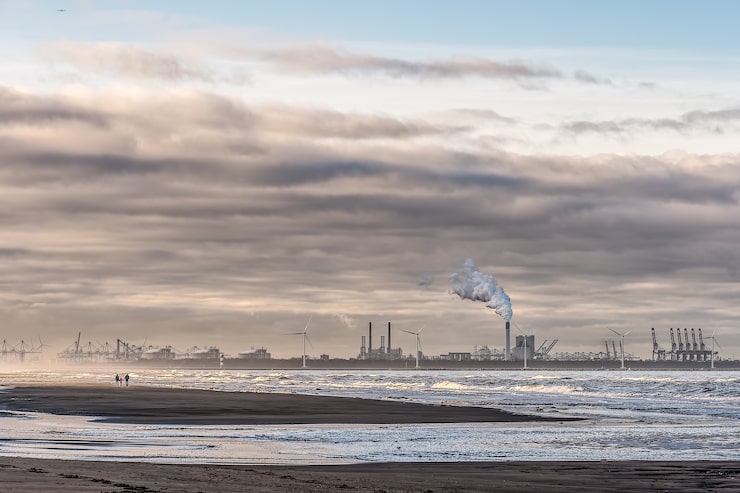
Renewable energy impact on oil and gas has become one of the most discussed topics in the global energy industry. As wind, solar, and hydropower expand across the world, the traditional dominance of fossil fuels faces serious challenges. Oil and gas companies, once seen as untouchable giants, are now forced to rethink strategies, investments, and future goals.
The transition is not just about replacing one energy source with another—it’s about how societies, economies, and industries evolve together. For many, this shift represents progress toward sustainability, while for others, it raises concerns about economic disruptions and job security.
The Growing Role of Renewable Energy
The expansion of renewable energy is driven by the urgent need to combat climate change. Governments worldwide are setting ambitious targets to reduce carbon emissions, and renewable energy provides the most reliable pathway.
For decades, oil and gas were the backbone of global economies, fueling industries, transportation, and households. But today, solar farms in deserts and offshore wind projects in oceans are becoming symbols of change. This shift highlights the undeniable renewable energy impact on oil and gas, making the traditional model less dominant.
Renewable Energy Impact on Oil and Gas Prices
One of the most visible effects is on pricing. As renewable energy becomes cheaper to produce, it reduces the demand for oil and gas in electricity generation. Historically, fossil fuels set the tone for global energy markets, but now, clean alternatives challenge this dominance.
Falling solar panel and wind turbine costs create competition that forces oil and gas companies to adapt. This is why many energy giants now invest directly in renewables, aiming to diversify portfolios and stay relevant in the evolving market.
Shifting Investment Patterns
Investors are also reshaping the industry. Environmental, social, and governance (ESG) considerations have grown in importance, influencing where money flows. Large institutional investors increasingly support renewable projects over fossil fuel expansion.
This shift reflects how financial markets perceive long-term risks. Oil and gas reserves, once seen as valuable assets, now risk becoming stranded resources if demand falls too sharply. The renewable energy impact on oil and gas is clear: companies must adapt or risk losing investor confidence.
Employment and Workforce Transformation
The transition also affects jobs. Millions worldwide are employed in oil and gas sectors, from drilling engineers to refinery workers. As renewable projects expand, new opportunities emerge in solar installation, wind turbine maintenance, and green technology research.
However, this shift requires reskilling. Workers need training to transition from fossil fuel industries into renewable sectors. Governments and corporations now face the challenge of ensuring smooth workforce transitions without creating mass unemployment.
Renewable Energy Impact on Oil and Gas Dependence
For decades, oil and gas dependence defined geopolitics. Countries rich in fossil fuels held power over global markets. But as renewable energy grows, dependence on imported oil and gas decreases for many nations.
This shift is most evident in Europe, where investments in wind and solar reduce reliance on imported natural gas. The same trend appears in Asia, where countries seek energy independence by promoting renewable adoption. Ultimately, the move reduces geopolitical risks tied to fossil fuel supplies.
Environmental Consequences of the Shift
Beyond economics, the environmental benefits are undeniable. Oil spills, gas leaks, and air pollution have long been associated with fossil fuel industries. Renewables, in contrast, provide cleaner and safer energy sources.
Communities once suffering from pollution near refineries and oil rigs now see hope in sustainable projects. This transformation highlights the human side of the renewable energy impact on oil and gas, showing how entire populations benefit from healthier environments.
Oil and Gas Companies Responding to Change
Rather than resisting the transition, many oil and gas companies embrace it. Industry leaders such as BP, Shell, and TotalEnergies have announced strategies to expand renewable portfolios. Their investments include offshore wind farms, hydrogen projects, and solar power plants.
This adaptation is not just about public image. It reflects an acknowledgment of market realities. By diversifying into renewables, these companies aim to survive and thrive in a carbon-conscious future.
Technology Driving the Transition
Technological innovation plays a crucial role. Advanced batteries, smart grids, and artificial intelligence improve renewable efficiency and integration. These technologies reduce barriers that once limited renewable adoption, such as inconsistent supply during cloudy or windless days.
As technology advances, the renewable energy impact on oil and gas grows stronger, making fossil fuels less competitive in certain sectors. For example, electric vehicles powered by renewables threaten gasoline demand, reshaping the entire automotive industry.
Regional Differences in Impact
Not all regions experience the shift equally. Oil-rich nations in the Middle East, for example, continue to depend heavily on fossil fuel exports. However, even these countries are investing in solar and wind to diversify economies.
Meanwhile, countries like Germany, Denmark, and China lead in renewable adoption, reducing their reliance on oil and gas imports. The pace of change varies, but the direction remains consistent worldwide.
Consumer Behavior and Energy Choices
Consumers also play a role. Growing awareness of climate change influences energy choices, from installing rooftop solar panels to choosing electric cars. Demand shifts at the individual level collectively reshape entire markets.
For oil and gas companies, this means competing not only with large renewable producers but also with households becoming self-sufficient in energy. This trend further amplifies the renewable energy impact on oil and gas globally.
Future Scenarios for Oil and Gas
Looking ahead, several scenarios emerge. Some experts believe oil and gas will continue to play important roles for decades, especially in industries like aviation and heavy manufacturing where alternatives remain limited. Others predict a rapid decline as renewable costs drop further.
The truth likely lies between these extremes. Oil and gas may remain significant, but their dominance is fading. Adaptation, innovation, and sustainable strategies will determine which companies and countries succeed in this evolving landscape.
Personal Narratives in the Energy Transition
Stories of individuals illustrate the transition’s real-world effects. A solar installer in California, once employed at an oil refinery, now finds pride in contributing to clean energy. Farmers in India power irrigation pumps with solar panels, reducing their reliance on expensive diesel.
These narratives show how the renewable energy impact on oil and gas extends beyond corporate boardrooms and political negotiations. It touches lives, reshaping opportunities for families and communities worldwide.
Read also:
ecuador national football team vs bolivia national football team lineups
bolivia national football team vs argentina national football team lineups
portugal national football team vs poland national football team lineups
honduras national football team vs mexico national football team lineups