


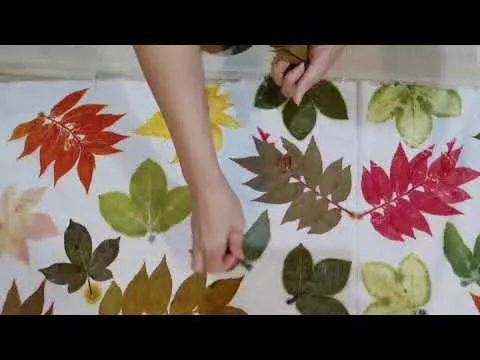
The textile industry has long been a cornerstone of fashion and design, but its environmental impact has prompted a shift toward more sustainable practices. Eco-friendly fabric printing has emerged as a vital solution, blending creativity with environmental responsibility. This innovative approach minimizes waste, reduces harmful chemical use, and prioritizes renewable resources, offering a greener alternative for producing vibrant, durable textiles. As consumers and brands increasingly demand sustainability, eco-friendly fabric printing is reshaping the industry, proving that style and environmental stewardship can coexist harmoniously.
What is Eco-Friendly Fabric Printing?
Eco-friendly fabric printing refers to methods that prioritize environmental sustainability while creating high-quality printed textiles. Unlike traditional printing, which often relies on toxic dyes and excessive water, eco-friendly techniques use water-based inks, biodegradable materials, and energy-efficient processes. These methods aim to reduce pollution, conserve resources, and ensure safer working conditions for artisans. By focusing on sustainable materials and innovative technologies, eco-friendly fabric printing delivers stunning designs without compromising the planet’s health, appealing to eco-conscious consumers and forward-thinking brands alike.
The Environmental Impact of Traditional Fabric Printing
Conventional fabric printing has significant environmental drawbacks. Processes like screen printing and synthetic dyeing consume vast amounts of water—up to 2,000 liters per kilogram of fabric—while releasing toxic chemicals into waterways. These methods also generate substantial waste, including leftover dyes and non-recyclable materials. Energy-intensive machinery further contributes to high carbon emissions. In contrast, eco-friendly fabric printing addresses these issues by using low-impact dyes, recycling water, and adopting renewable energy sources, drastically reducing the ecological footprint of textile production.
Read also: techsslaash
Key Techniques in Eco-Friendly Fabric Printing
Several innovative techniques define eco-friendly fabric printing. Digital printing, for instance, uses precision technology to apply water-based inks directly onto fabrics, minimizing waste and eliminating the need for water-heavy washing processes. Natural dyeing, another popular method, employs plant-based or mineral-derived dyes that are biodegradable and non-toxic. Block printing, a traditional yet sustainable technique, uses hand-carved wooden blocks to create patterns with minimal energy consumption. These methods not only reduce environmental harm but also produce unique, high-quality designs that stand out in the market.
Digital Printing: Precision and Sustainability
Digital fabric printing is a game-changer in eco-friendly textile production. By applying ink directly to the fabric using advanced printers, this method eliminates the need for water-intensive rinsing and reduces ink waste by up to 95% compared to traditional screen printing. It also allows for on-demand production, meaning fabrics are printed only when needed, reducing overproduction and excess inventory. With vibrant colors and intricate designs, digital printing proves that eco-friendly fabric printing can deliver both sustainability and aesthetic excellence.
Natural Dyes: Harnessing Nature’s Palette
Natural dyes, derived from plants, minerals, and even insects, offer a sustainable alternative to synthetic dyes. These dyes are biodegradable, non-toxic, and often locally sourced, reducing transportation emissions. While natural dyes may produce softer hues compared to their synthetic counterparts, advancements in extraction and application techniques have expanded their color range and durability. By integrating natural dyes into eco-friendly fabric printing, artisans create textiles that are safe for both the environment and the end user, appealing to those who value authenticity and sustainability.
Know More: techsslash com
Benefits of Eco-Friendly Fabric Printing
Eco-friendly fabric printing offers numerous benefits beyond environmental preservation. For businesses, adopting sustainable practices can attract eco-conscious consumers, boosting brand loyalty and market share. These methods also reduce operational costs through efficient resource use and waste minimization. For consumers, eco-friendly fabrics are often hypoallergenic and free from harmful chemicals, making them ideal for sensitive skin. Additionally, the unique aesthetic of naturally dyed or digitally printed fabrics adds a distinctive charm, setting them apart from mass-produced textiles.
Challenges and Solutions in Adoption
Despite its advantages, eco-friendly fabric printing faces challenges, including higher initial costs for sustainable materials and equipment. Smaller businesses may struggle to invest in digital printers or source organic fabrics. However, solutions are emerging. Collaborative initiatives, such as shared printing facilities, allow smaller brands to access advanced technology. Government incentives and certifications for sustainable practices also encourage adoption. As demand for eco-friendly fabric printing grows, economies of scale are driving down costs, making these methods more accessible to manufacturers of all sizes.
The Future of Eco-Friendly Fabric Printing
The future of eco-friendly fabric printing is bright, driven by technological advancements and growing consumer awareness. Innovations like 3D printing and biofabrication are pushing the boundaries of sustainable textile production, enabling even more efficient and creative designs. Brands are increasingly integrating eco-friendly fabric printing into their supply chains, responding to consumer demand for transparency and sustainability. As the industry evolves, collaborations between designers, manufacturers, and environmentalists will further refine these practices, ensuring that eco-friendly fabric printing remains at the forefront of sustainable fashion.
Explore More: kakupress
Why Consumers Should Care
Consumers play a pivotal role in the rise of eco-friendly fabric printing. By choosing products made with sustainable methods, they support brands that prioritize the planet’s health. Eco-friendly fabrics not only reduce environmental harm but also offer superior quality and longevity, providing better value over time. As awareness of the textile industry’s impact grows, consumers are empowered to make informed choices, driving demand for eco-friendly fabric printing and encouraging more brands to adopt sustainable practices.
A Step Toward a Greener Tomorrow
Eco-friendly fabric printing represents a significant step toward a more sustainable textile industry. By embracing innovative techniques, reducing waste, and prioritizing natural materials, this approach balances creativity with environmental responsibility. As technology advances and consumer preferences shift, eco-friendly fabric printing will continue to gain momentum, transforming the way we produce and consume textiles. For brands and consumers alike, it offers a chance to create a greener, more stylish future without sacrificing quality or creativity.
Visit For More Info: kaku press app