


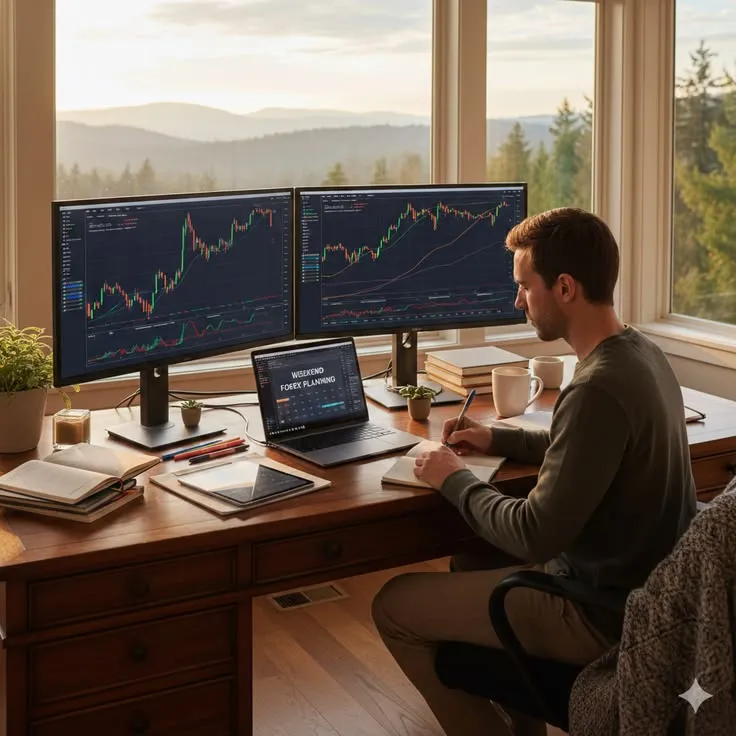
A productive trading routine begins with structure rather than frequent market activity. Beginners exploring an affordable demo account forex option can use simulated trading to learn platform functions, observe currency movements and practise decision-making without immediately committing real capital. The purpose should be skill development, not simply collecting successful practice trades. By setting clear objectives, choosing specific markets and reviewing each decision afterwards, traders can turn a demo environment into a practical learning space that supports more disciplined habits over time.
Choose a Small Market Focus
Trying to monitor too many currency pairs can make practice confusing, especially for beginners still learning how forex prices respond to economic information. A more structured approach is to select a small group of major pairs and study their behaviour consistently. Traders can observe typical trading hours, volatility patterns and reactions to scheduled announcements. Focusing on fewer instruments also makes it easier to compare previous decisions. Once a trader understands how the chosen markets behave, additional pairs or other CFD markets can gradually be explored.
Set Clear Practice Objectives
Every demo session should have a purpose. One trader may focus on identifying support and resistance, while another may practise setting stop-loss orders or calculating position sizes. Clear objectives prevent the session from becoming random clicking without meaningful learning. Traders can also set limits on the number of positions they open during each practice period. This encourages patience and gives them time to evaluate potential setups carefully. Progress becomes easier to measure when each session develops a particular skill instead of attempting to learn everything simultaneously.
Use Practice Accounts Consistently
Access to forex practice accounts company resources can help traders become familiar with order entry, platform navigation and simulated position management. Consistency is more important than placing a large number of demo trades. Traders should practise under conditions that resemble the approach they might eventually follow with real funds, including realistic position sizes and defined risk limits. Treating virtual funds carelessly can create habits that are difficult to change later. A disciplined demo routine should therefore reflect realistic decision-making wherever possible.
Create Entry and Exit Rules
A structured routine should include clear conditions for entering and leaving a trade. Instead of responding to every short-term price movement, traders can define what information must be present before considering a position. This might include a particular trend, price level or technical pattern. Exit planning is equally important because traders should know where a trade becomes invalid before opening it. Practising these rules repeatedly can reduce impulsive decisions and provide a clearer basis for reviewing whether a strategy was followed correctly, regardless of outcome.
Keep a Trading Journal
Recording practice trades can reveal patterns that are difficult to notice while watching live charts. A useful journal may include the currency pair, entry reason, position size, planned exit, market conditions and final result. Traders can also record emotional reactions, such as hesitation or the temptation to change a plan after entering. Reviewing these notes weekly can highlight repeated mistakes and successful habits. The goal is not to create perfect statistics but to understand whether decisions were based on a consistent process or temporary market reactions.
Review Risk Before Results
Demo profits can feel encouraging, but they should not become the main measure of progress. A trader who earns simulated gains while taking excessive risk may be learning habits that could become costly in live trading. Practice should therefore include position sizing, margin awareness and predetermined loss limits. Traders should understand that leverage can increase both potential gains and losses. Evaluating whether risk rules were respected on every trade provides a more useful measure of discipline than judging a practice strategy solely by short-term returns.
Conclusion
A structured demo routine can help beginners develop platform familiarity, market awareness and stronger risk habits before considering live trading. The most useful approach combines focused market study, clear objectives, planned entries and exits, consistent position management and regular journal reviews. Traders exploring resources through btcdana.com can use practice as an opportunity to understand how forex and CFD trading work while recognising that simulated performance cannot guarantee future results. Patient learning and disciplined risk management remain more valuable than trying to achieve quick success.