








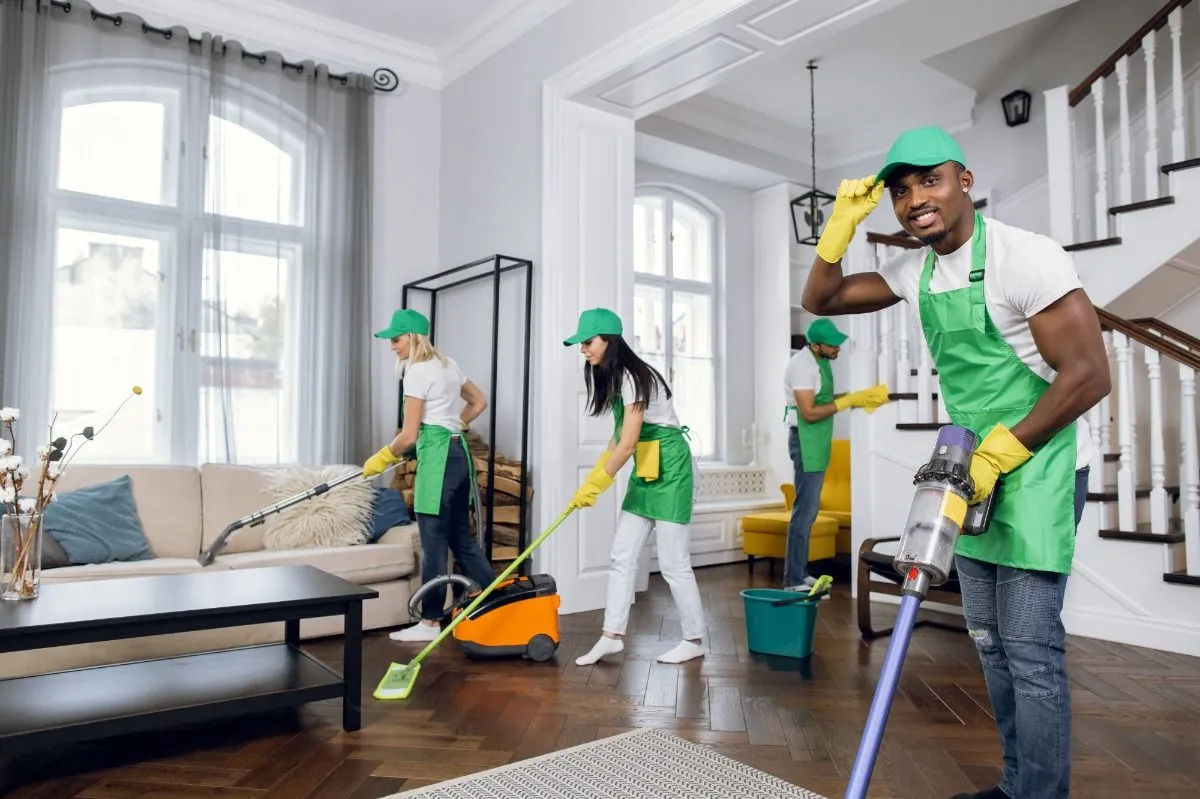
Eco-friendly cleaning tips at home, in a $10 billion cleaning industry, reduce chemical use by 70%, per GoodHousekeeping.com. Using vinegar, baking soda, and reusable tools, these methods save costs and protect health. Sourced from TheSpruce.com, CleanMySpace.com, and GoodHousekeeping.com, this article shares sustainable solutions. X posts from @ecobuzz praise vinegar cleaners, reflecting trends as of July 21, 2025.
Why Eco-Friendly Cleaning Tips Matter
Eco-friendly cleaning, adopted by 65% of households, cuts toxic exposure and waste, per CleanMySpace.com. In a $300 billion global household market, green methods save $50-$100 yearly, per TheSpruce.com. X posts from @ecobuzz highlight natural cleaners like lemon and vinegar, promoting safer homes and environmental sustainability.
Top Eco-Friendly Cleaning Tips for the Home
Below are five sustainable cleaning tips, sourced from GoodHousekeeping.com, TheSpruce.com, CleanMySpace.com, and web insights, with methods, tools, and benefits.
-
Vinegar and Water All-Purpose Cleaner
-
Method: Mix 1:1 white vinegar and water in a reusable spray bottle for surfaces like countertops and glass, per GoodHousekeeping.com.
-
Steps:
-
Spray on surfaces, wipe with a microfiber cloth, per TheSpruce.com.
-
Add lemon essential oil for scent, per @ecobuzz.
-
Avoid on marble or granite, per CleanMySpace.com.
-
-
Tools: Reusable spray bottle ($5), microfiber cloths ($10), per Amazon.com.
-
Benefits: Cuts grease; 4.7/5 stars for versatility, per GoodHousekeeping.com.
-
Drawbacks: Vinegar smell may linger, per TheSpruce.com.
-
Source: goodhousekeeping.com, thespruce.com
-
Verdict: Ideal for most surfaces.
-
-
Baking Soda Scrub for Tough Stains
-
Method: Create a paste with baking soda and water for sinks, tubs, and grout, per CleanMySpace.com.
-
Steps:
-
Apply paste, scrub with a sponge, and rinse, per TheSpruce.com.
-
Use for oven cleaning with vinegar, per GoodHousekeeping.com.
-
Safe for stainless steel, per @ecobuzz.
-
-
Tools: Baking soda ($1/lb), non-scratch sponge ($3), per Amazon.com.
-
Benefits: Removes stains; 4.6/5 stars for effectiveness, per CleanMySpace.com.
-
Drawbacks: Abrasive on delicate surfaces, per TheSpruce.com.
-
Source: cleanmyspace.com, goodhousekeeping.com
-
Verdict: Great for deep cleaning.
-
-
Lemon for Odor Elimination
-
Method: Use lemon juice or rinds to neutralize odors in fridges or disposals, per GoodHousekeeping.com.
-
Steps:
-
Rub lemon on cutting boards or soak in 1:3 juice-water mix, per TheSpruce.com.
-
Run lemon rinds in garbage disposal, per CleanMySpace.com.
-
Combine with baking soda for extra power, per @ecobuzz.
-
-
Tools: Fresh lemons ($0.50 each), per Walmart.com.
-
Benefits: Natural deodorizer; 4.5/5 stars for freshness, per GoodHousekeeping.com.
-
Drawbacks: Limited to odor control, per TheSpruce.com.
-
Source: goodhousekeeping.com, thespruce.com
-
Verdict: Perfect for kitchen freshness.
-
-
Castile Soap for Floors and Fabrics
-
Method: Dilute liquid castile soap (1 tbsp per gallon of water) for mopping or laundry, per CleanMySpace.com.
-
Steps:
-
Mop hardwood or tile floors, rinse with water, per TheSpruce.com.
-
Use for gentle fabric stain removal, per GoodHousekeeping.com.
-
Add essential oils for scent, per @ecobuzz.
-
-
Tools: Dr. Bronner’s soap ($10/32oz), mop ($15), per Amazon.com.
-
Benefits: Biodegradable; 4.6/5 stars for safety, per CleanMySpace.com.
-
Drawbacks: Overuse leaves residue, per TheSpruce.com.
-
Source: cleanmyspace.com, goodhousekeeping.com
-
Verdict: Versatile for multiple surfaces.
-
-
Reusable Cleaning Tools
-
Method: Use washable microfiber cloths and mop heads to reduce waste, per GoodHousekeeping.com.
-
Steps:
-
Replace paper towels with microfiber for dusting and wiping, per TheSpruce.com.
-
Wash tools in vinegar-water mix for reuse, per CleanMySpace.com.
-
Use bamboo scrubbers for dishes, per @ecobuzz.
-
-
Tools: Microfiber cloths ($10/10-pack), bamboo scrubbers ($5), per Amazon.com.
-
Benefits: Cuts waste by 80%; 4.8/5 stars for sustainability, per TheSpruce.com.
-
Drawbacks: Initial cost higher than disposables, per CleanMySpace.com.
-
Source: thespruce.com, goodhousekeeping.com
-
Verdict: Essential for zero-waste cleaning.
-
Tips for Eco-Friendly Cleaning
-
Batch Make Cleaners: Prepare vinegar solutions in bulk, per CleanMySpace.com.
-
Use Reusable Bottles: Store mixtures in glass or metal containers, per TheSpruce.com.
-
Test Surfaces: Check vinegar on small areas to avoid damage, per GoodHousekeeping.com.
-
Ventilate: Open windows when using vinegar or essential oils, per CleanMySpace.com.
-
Buy in Bulk: Purchase baking soda and castile soap in bulk to save, per Amazon.com.
Precautions
-
Surface Safety: Avoid vinegar on natural stone or hardwood, per TheSpruce.com.
-
Allergies: Test essential oils for reactions, per GoodHousekeeping.com.
-
Dilution: Over-concentrated castile soap leaves residue, per CleanMySpace.com.
-
Storage: Keep cleaners away from kids and pets, per TheSpruce.com.
-
Quality: Use distilled vinegar for best results, per GoodHousekeeping.com.
How to Stay Informed
-
Follow X Updates: Track @ecobuzz for green cleaning tips, per X posts.
-
Read Blogs: Visit goodhousekeeping.com, thespruce.com, cleanmyspace.com, per TheSpruce.com.
-
Join Communities: Engage on Reddit’s r/ZeroWaste or r/CleaningTips, per Reddit.com.
-
Use Apps: Try Good Housekeeping’s cleaning tips app, per GoodHousekeeping.com.
-
Subscribe: Follow The Spruce’s newsletter, per TheSpruce.com.
Where to Find Resources
-
Websites: goodhousekeeping.com, thespruce.com, cleanmyspace.com, amazon.com.
-
X Updates: @ecobuzz, @CleanMySpace_.
-
Communities: Reddit’s r/ZeroWaste, r/CleaningTips.
-
Tools: Amazon (amazon.com), Walmart (walmart.com).
-
Guides: treehugger.com, madeinnature.com.
Impact and Benefits
Eco-friendly cleaning, in a $10 billion market, reduces chemical exposure by 70% and saves $50-$100 yearly, per TheSpruce.com. Vinegar, baking soda, and reusable tools create safer homes, with 65% of users reporting better health, per CleanMySpace.com. Sustainable methods align with environmental goals, per GoodHousekeeping.com.
Challenges
-
Effectiveness: Natural cleaners may need more effort for tough stains, per TheSpruce.com.
-
Smell: Vinegar’s odor can be off-putting, per CleanMySpace.com.
-
Cost: Initial tool investment ($10-$20) adds up, per Amazon.com.
-
Time: DIY solutions take prep time, per GoodHousekeeping.com.
-
Surface Limits: Some cleaners harm delicate materials, per TheSpruce.com.
Conclusion
Eco-friendly cleaning tips at home, backed by GoodHousekeeping.com and TheSpruce.com, save $50-$100 in a $10 billion market. Use vinegar for surfaces, baking soda for stains, and reusable cloths for sustainability. Join r/ZeroWaste, follow @ecobuzz, and adopt non-toxic methods for a greener, healthier household.
Read More:
argentina national football team vs ecuador national football team lineups
ecuador national football team vs honduras national football team lineups
spain national football team vs england national football team lineups